I took a trip to Edinburgh a couple of weekends ago, had an interesting time catching some cultural and culinary highlights. Here is a quick round-up of some of my favourites.
One of my first stops was the Royal Scottish Academy to catch Ade Adesina’s show ‘Parallel’.
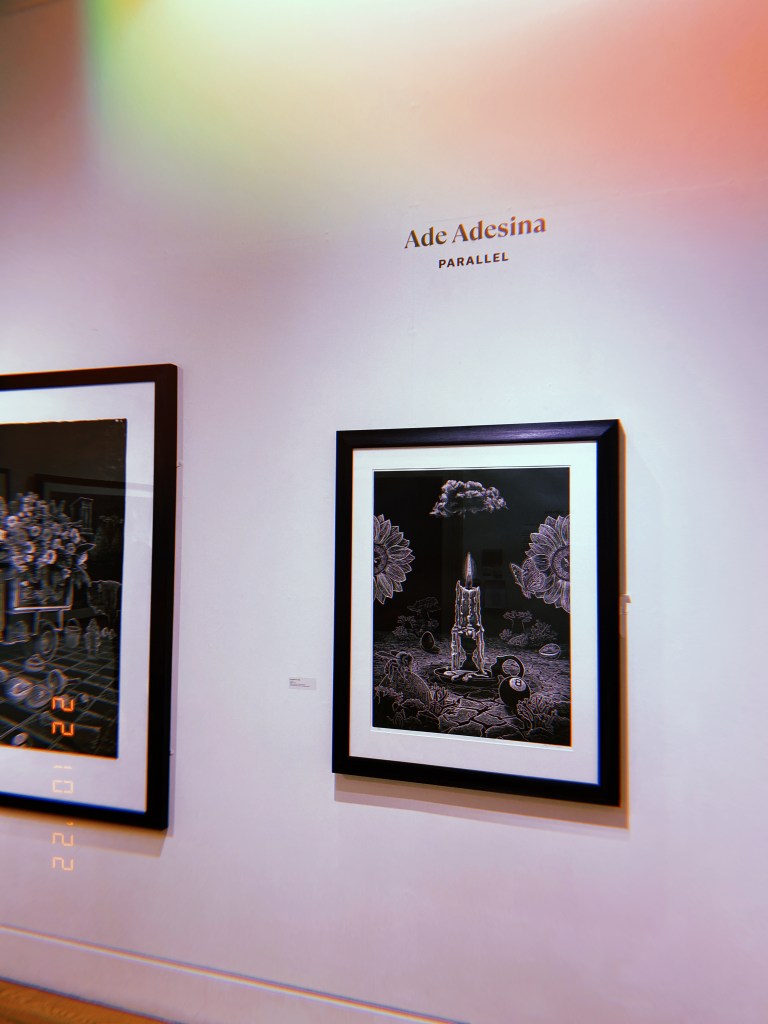
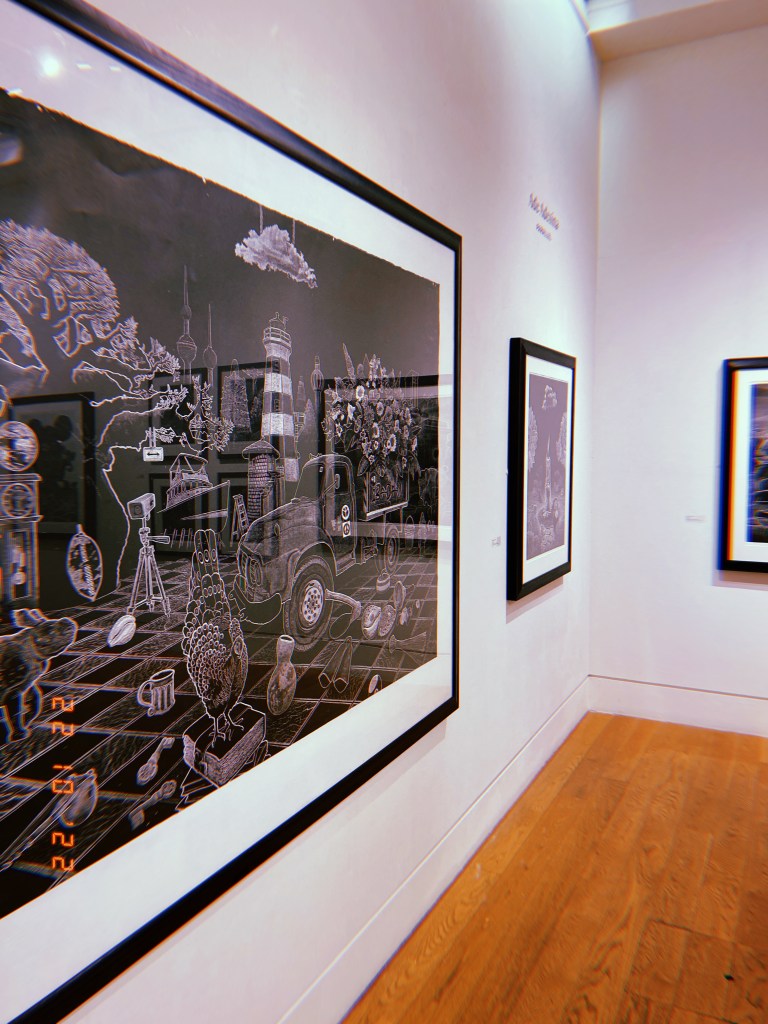
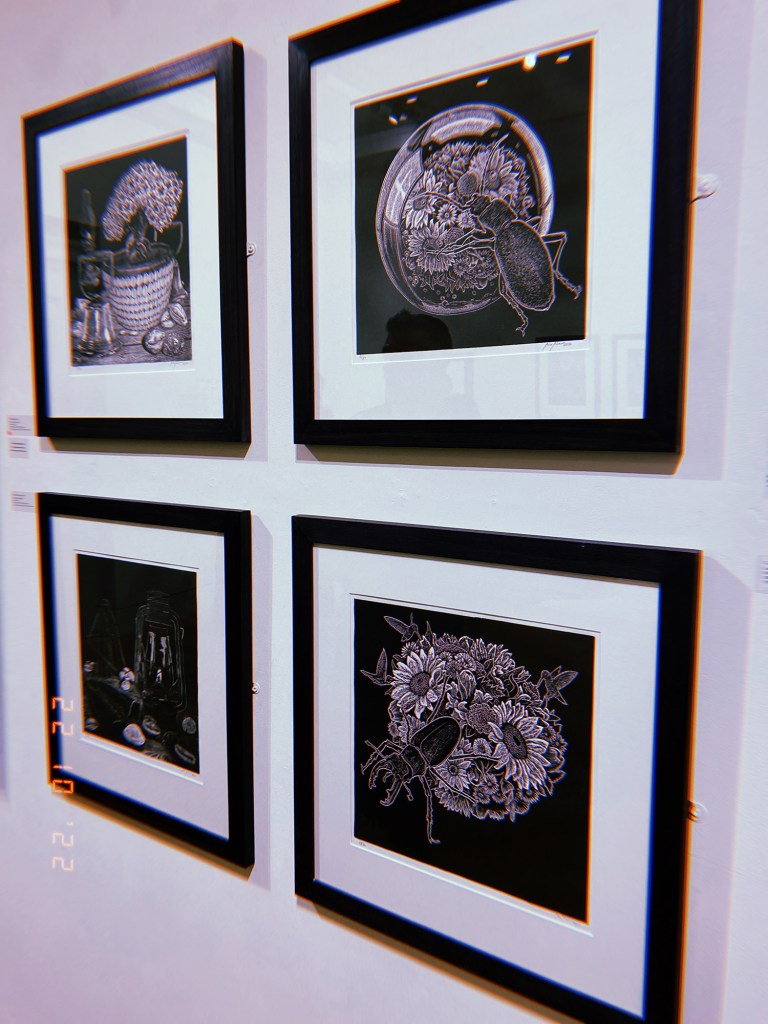
I love Ade’s work- I could spend forever looking at all the details. I find insects endlessly appealing, and there are so many in these pieces. Check out more of his work here. His process videos always astound me.
I also visited ‘Anatomy: A Matter of Death and Life‘ at the National Museum of Scotland. No pictures of this as no photography was permitted- which makes sense when the exhibition contains human remains and some pretty graphic anatomical models. Collections of bone saws don’t appeal to everyone either (although every time I am in London I visit the Wellcome Collection which has a lot of medical instruments, and one of my favourite museum objects- Napoleon’s toothbrush! I love a random domestic object that has significance, not that I have a particular love of Napoleon or anything).
A few years ago I was studying for a PhD focusing on the curation of ‘difficult’ museum specimens (abandoned due to personal reasons), so I always have a special interest in exhibits which handle sensitive items. Naturally there are a lot of ethical considerations to such an undertaking, which museums have a duty to engage with more than ever (not to mention the provenance of their vast collections). This exhibit contained some items with ‘sensitive content’ warnings, and I found myself deeply moved, and at times disturbed, by what I saw.
The ‘exhibit’ (it feels strange calling it that) which will stay with me the most, was probably the skeleton of William Burke, of the infamous Burke & Hare murders in 1820’s Edinburgh. As part of the punishment for his crimes it was the judge’s wish that, after public hanging and dissection, his skeleton should be put on public display. Despite this being part of official judicial decree, I still find it hard to look at a human skeleton, particularly one imbued with this particular backstory. It’s a gruesome kind of fascination that draws you to a cabinet with such content.
I have previously visited the Surgeon’s Hall museum several times which also contains a lot of Burke and Hare artefacts- this museum is also well worth a visit (avoid the dentistry museum if you have the fear, it gives me the heebies). One of the items in this collection which stayed with me LONG after seeing it, and not included in the National Museum show, was a book supposedly bound in Burke’s skin. As far as contentious objects go, books bound in human skin are pretty high up the list (or at least my list). Ghoulish. I am unsure if this object is still on display today, or is just part of the larger collection.
The exhibition at NMS made me reflect on the public fascination with crimes like the Burke and Hare murders, in fact there was a good quote as part of the exhibit that commented on this public obsession at the time of the murders, and I wish I could have taken a note of it. It was very apt in encapsulating the alarming way gory details can be hungrily raked over by the media and lapped up by readers with equal fervour. The current popularity of true crime documentaries and dramas reflects a very old fascination indeed. I sometimes wonder if we disconnect from the ‘human’ side of these crimes- the impact on victim’s families, ignoring the risks of broader cultural ramifications of a fascination with violence and murder. This is pertinent given the controversy around the recent Dahmer series. Is this just a cultural handwringing reminiscent of the panic of the 90’s around the effect of violence in video games and Tarantino films?
I’m not sure how eloquently I can form the dark swirl of my thoughts around this, but standing in front of Burke’s skeleton I was brought very much into the moment, the experience of existing in a body, with a keen awareness of the very real harms that can be inflicted on the bodies of others. Looking at his hands, I felt a deep chill.
Being able to abstract the impact of crimes through a screen, or behind glass- does this diminish our ability to empathise with the bodies of others? At what point does it become acceptable for trauma to become entertainment, or vice versa? I feel like there’s probably a wealth of good writing on this- suggestions welcome.
Incidentals
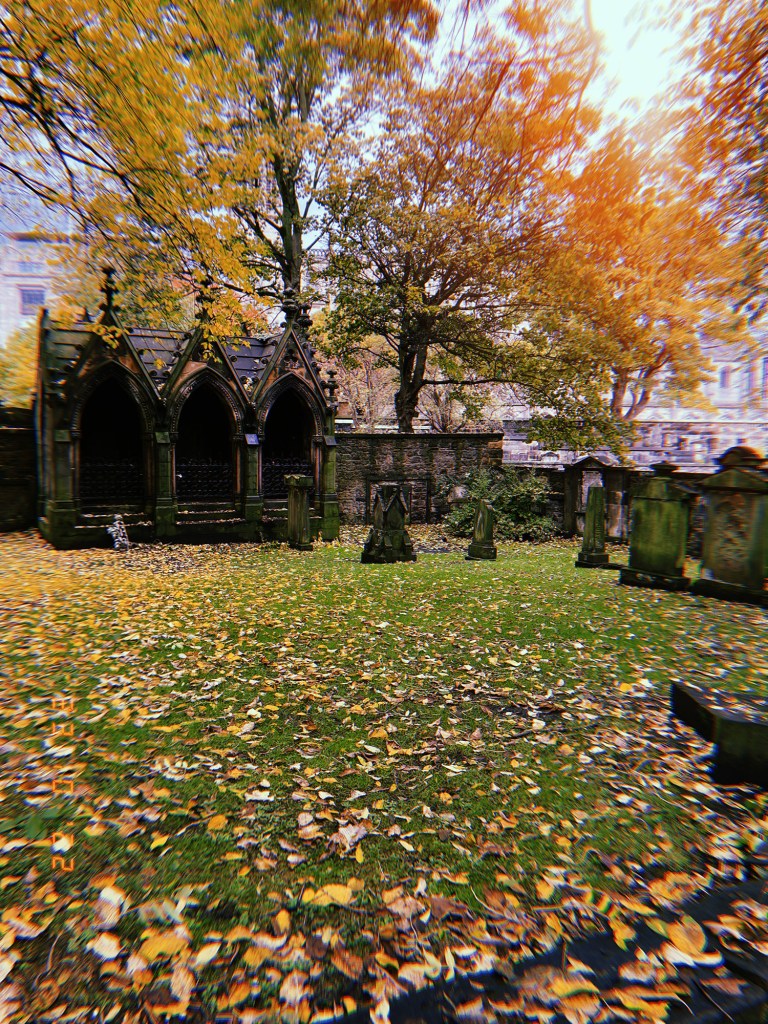
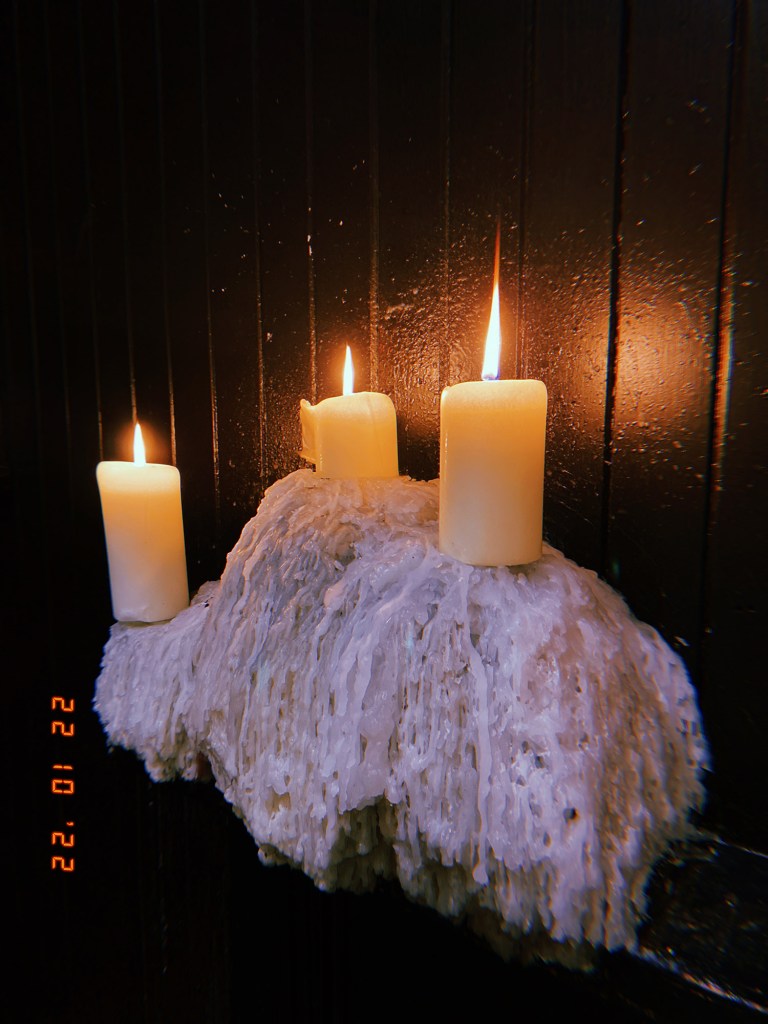
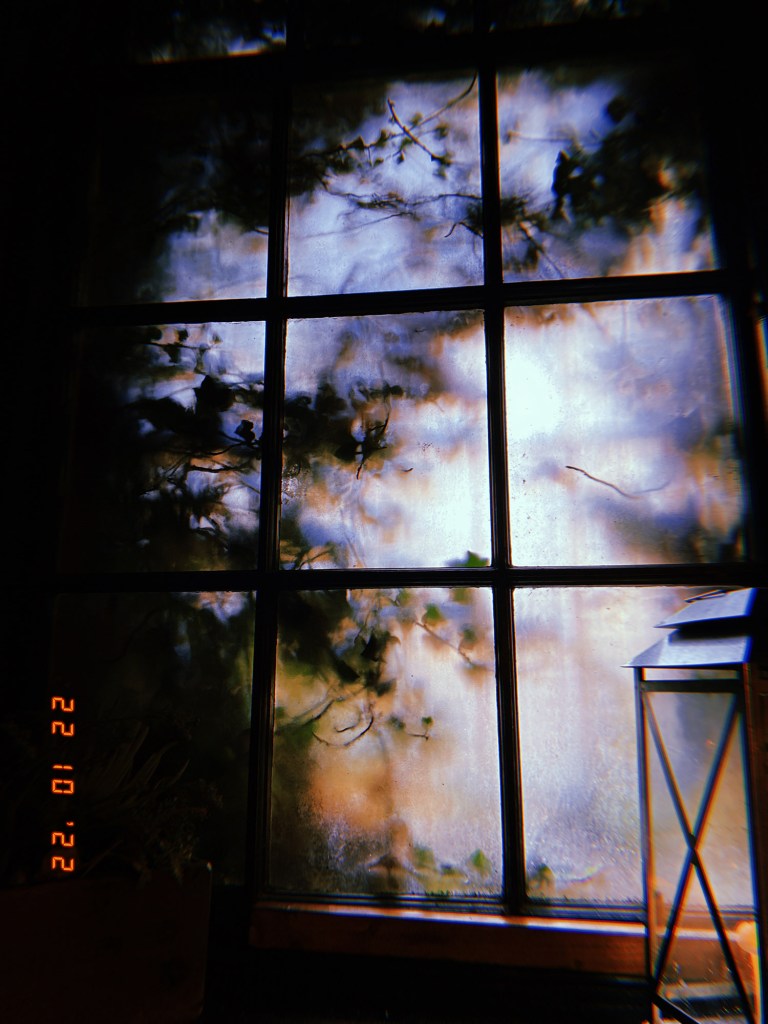
To lighten the mood- here’s a few incidental shots of Edinburgh that caught my eye as I wandered around. I used to live in the city and always find new views, new places, and fresh perspectives on each visit. It’s a very international and culturally rich place, I always come away feeling like I’ve taken in some visual sustenance.
PS I said to lighten the mood- perhaps these seem like gloomy images, but it was late October in Edinburgh so you work with what ya got!

Thanks for reading as always. I’ll be back soon with another travel update, a new exhibition and some studio progress.
J 🙂

 DRAFT EXCLUDER